My Pre-Digital Storyboard Days
When I started doing storyboard work back in the 1980s, there wasn’t anything digital about the process. Everything was done by hand. Pencil, paper, markers, straightedges, erasers, white paint, and whatever else you could get your hands on to fix something when you screwed it up.
And you were going to screw something up.
There was no Undo button. There were no layers. You couldn’t circle a character, move him two inches to the left, and keep working. If he was in the wrong place, you erased him and drew him again. If the mistake was too far gone, you found another way around it.
We got pretty creative with that.
It Didn’t Have to Be Pretty
Storyboard drawing was different from the finished illustration work I was used to seeing. The whole point was to show somebody what was supposed to happen before they spent the money to actually do it.
Where’s the camera? Who walks into the shot? What happens next? Is this a close-up or are we looking at the whole room?
That’s what mattered.
Of course, being an artist, I still wanted the drawings to look good. But you learned pretty quickly that there wasn’t much sense in spending half an hour drawing a beautiful hand if the client couldn’t figure out what the guy attached to it was doing.
You had to get the idea across and move on.
I think that’s where I first learned to stop treating every drawing like it was supposed to hang in a gallery.
You Also Had to Be Fast
A lot of storyboard work was about speed.
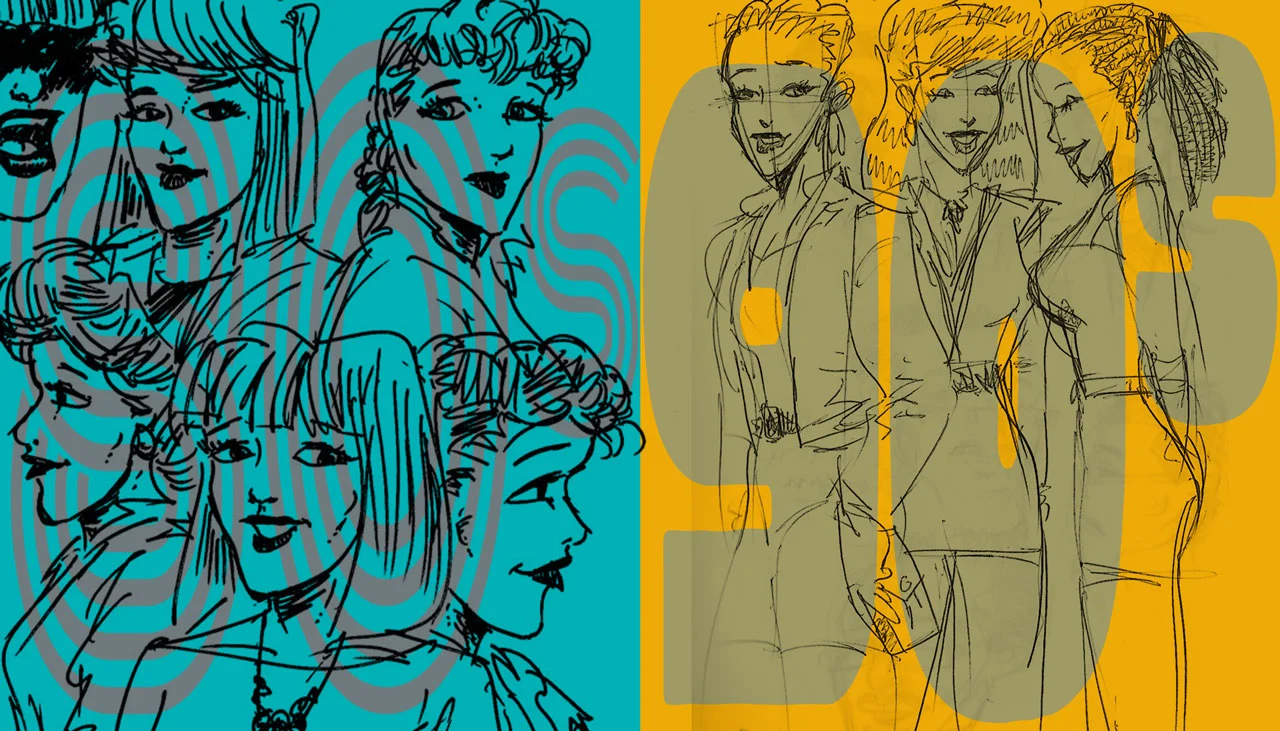
Once I knew what the shot needed, I tried to get there with as few unnecessary lines as possible. A background didn’t always need every chair, window and light fixture. Sometimes a couple of lines were enough to tell you that the character was standing in an office.
Crowds were another one. Draw three or four people properly, throw a few heads and shoulders behind them and, congratulations, you’ve got a crowd.
You learned all kinds of little cheats like that.
I still use some of them.

Those Markers!
Then there were the Eberhard Faber Design Markers.
I used those things for everything.
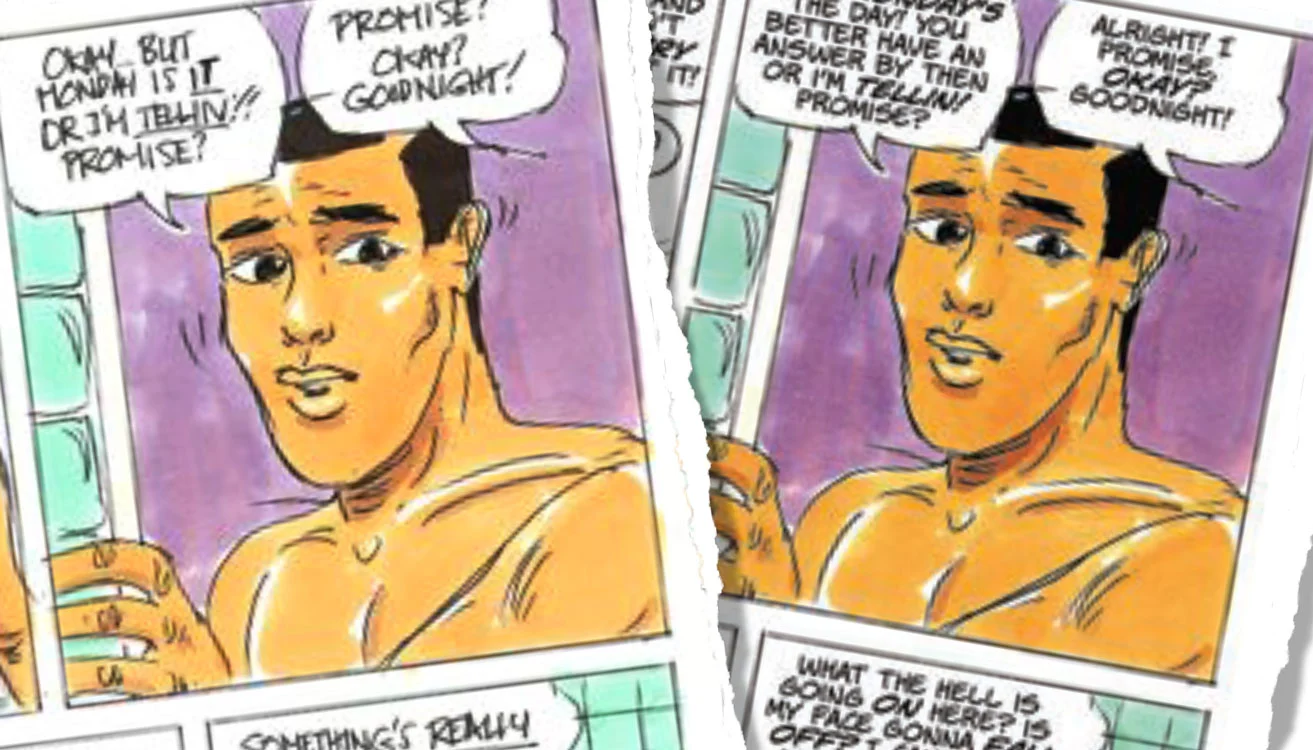
All of my storyboard coloring was done with them, and after a while I knew exactly how they behaved. You learned which colors could go over other colors, how much ink the paper could take and, most importantly, when to leave the damn thing alone.
Markers weren’t very forgiving. If you went over an area one too many times, you couldn’t just reduce the opacity and try again. It was there.
The other thing I remember very clearly was the smell.
Those markers put out some serious fumes! My kids used to complain about the odor reaching the opposite end of the house.
Eventually they disappeared from the market, and I later learned a lot more about the chemicals and solvents I had been happily breathing while I worked. Looking back, sitting over a drawing for hours with a pile of uncapped Design Markers probably wasn’t the smartest thing I ever did.
Luckily, I don’t appear to have suffered any brain damage from all those years of using them.
At least that’s what I keep telling myself.
Fixing Things Was Part of the Process
One thing I think younger artists might find funny is how physical corrections could be.
If something didn’t work, you might erase it. You might paint over it. You might redraw part of it on another piece of paper and paste it over the original.
Yes, actually paste it.
Sometimes you could look at a finished piece and have absolutely no idea how much surgery had taken place underneath it.
But nobody cared.
If the finished drawing did what it was supposed to do, the job was done.
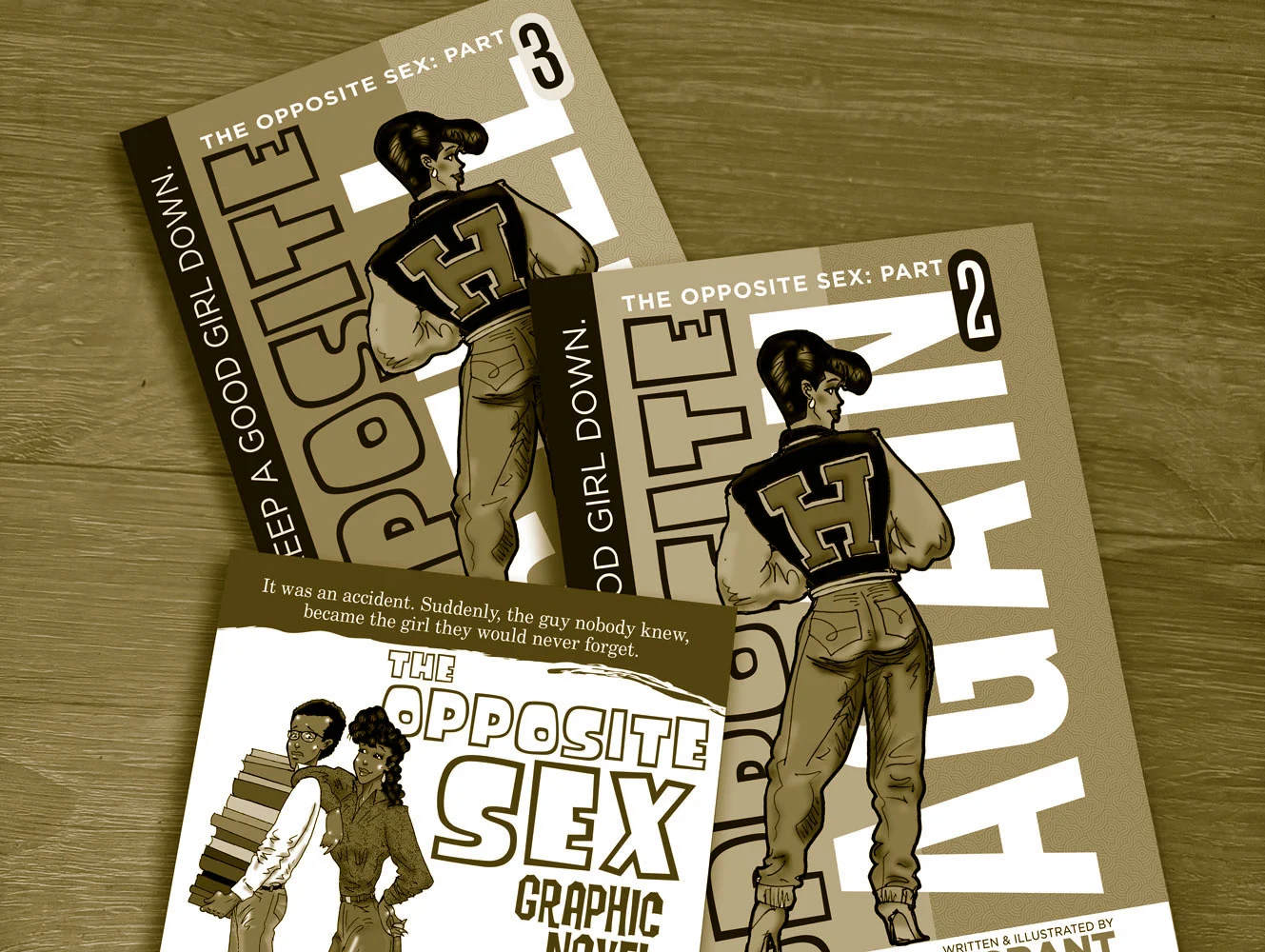
That’s probably another habit I carried with me into graphic design and eventually into The Opposite Sex. I’ve never been particularly interested in whether something was done the “proper” way. I’m more interested in whether it works.
I Didn’t Know I Was Learning Comics
Looking back, storyboard work was probably some of the best training I could have had for creating a comic.
I just didn’t know it yet.
I was learning how to tell a story one picture at a time. I was learning when to move in close, when to pull back, how to stage several people in the same scene, and how to make one drawing lead into the next one. Drawing The Opposite Sex, which started out as a practice project, took advantage of all those analog skills.
Years later, the materials changed. Eventually Photoshop, Illustrator, and my Wacom tablet became part of the process. Things that once required tracing paper, markers, white paint, and a little ingenuity could suddenly be changed on a screen.
And yes, I was perfectly happy to have an Undo button.
I’m glad I learned how to do all of this before computers took over, though. Not because the old way was better. It wasn’t. Some of it was genuinely a pain in the ass.
But it taught me how to figure things out.
And every once in a while, I learned to crack a window!